
A grape variety that naturally produces very little, an estate that has been growing it since 1559 and a DOCG that protects one of Italy’s rarest dessert wines
A wine that cannot be produced in quantity
Picolit is one of those wines best explained by starting with a problem. The vine suffers from a phenomenon called floral abortion: during flowering, a proportion of the flowers are not fertilised and fail to produce berries. The resulting cluster is loose, with few, widely spaced berries. Yields per hectare are among the lowest of any grape variety grown in Italy. This is not a production choice — it’s the biology of the plant. Picolit is rare because it cannot be otherwise. And this has defined its entire history.
Since 1559: Picolit at Rocca Bernarda
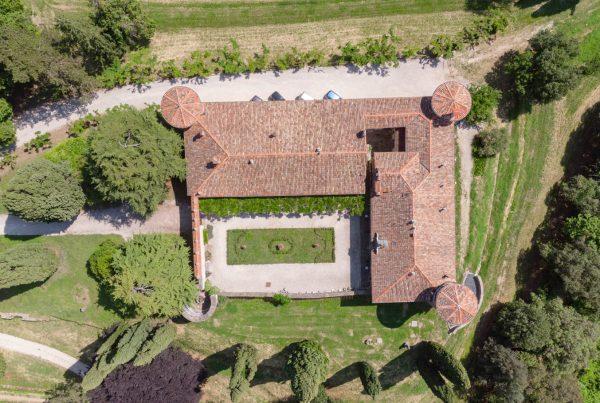
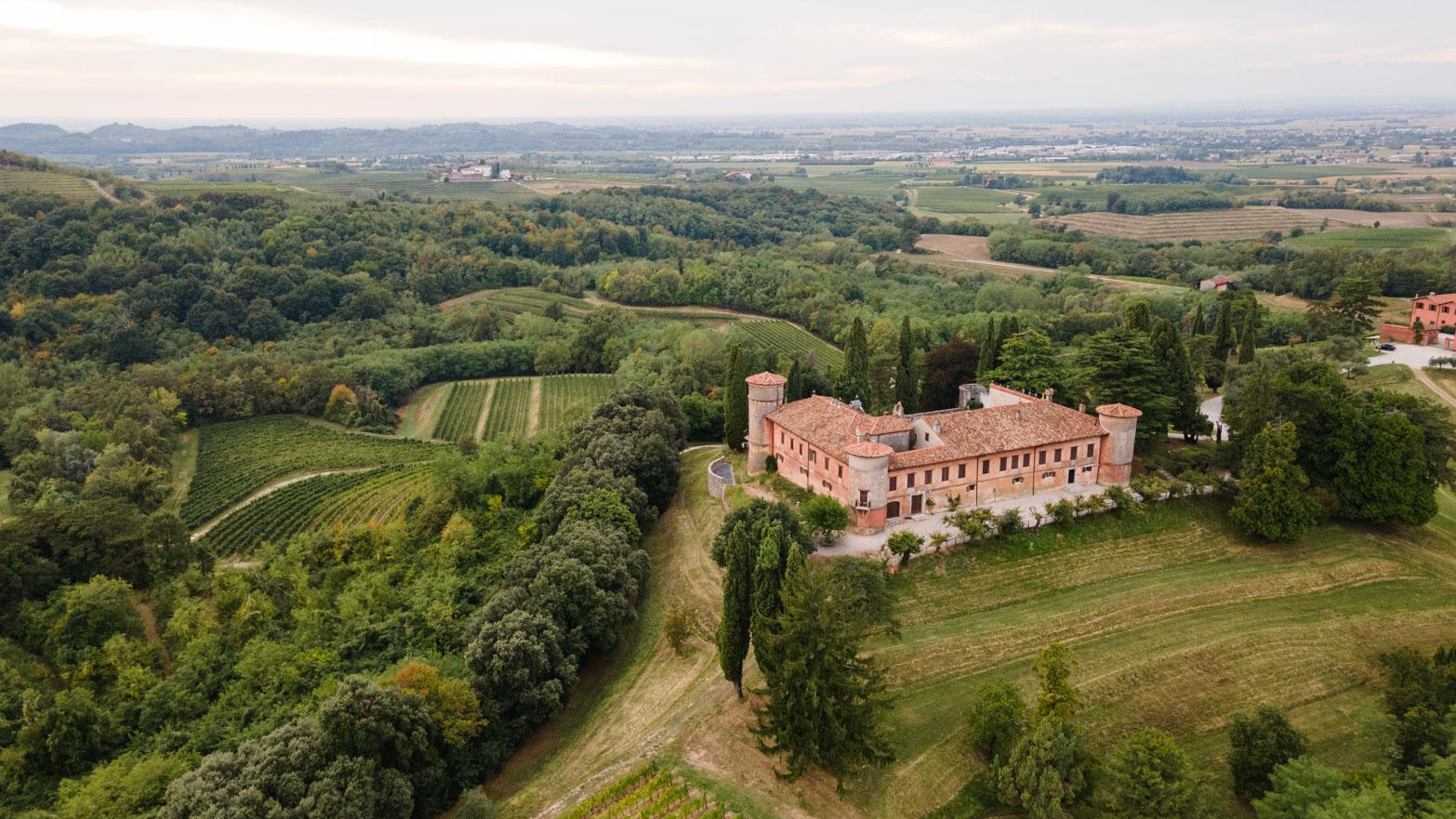
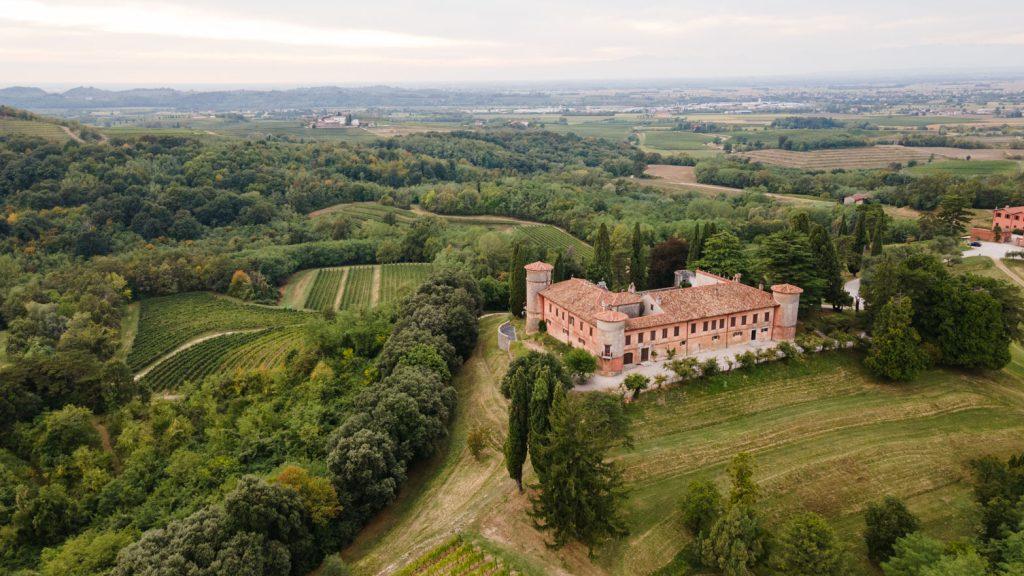
At Rocca Bernarda, in the Colli Orientali del Friuli, Picolit cultivation has been documented since 1559. The estate is located in Ipplis, in the municipality of Premariacco, on hills of marl and sandstone that give the wine a recognisable minerality. The 16th-century villa and the surrounding vineyards belong to the Sovereign Military Order of Malta and are part of the Terre dei Cavalieri project, which brings together several estates across different Italian regions.
Nearly five centuries of continuous production in the same place is not a brochure statistic. It means the vine and the territory have adapted to each other over time. The clones grown today at Rocca Bernarda are the result of generations of selection. The soil, the exposure, the microclimate of the Colli Orientali: everything contributes to a Picolit with a specific character, not interchangeable with that of other areas.
How Rocca Bernarda’s Picolit is made
The grapes are harvested by hand between late September and early October. Each cluster is selected individually: those that haven’t reached optimal ripeness are left on the vine. After picking, the clusters are laid out to dry on racks in ventilated rooms for several weeks. This drying process concentrates the sugars and aromas in each berry, and it is the step that defines the wine’s profile.
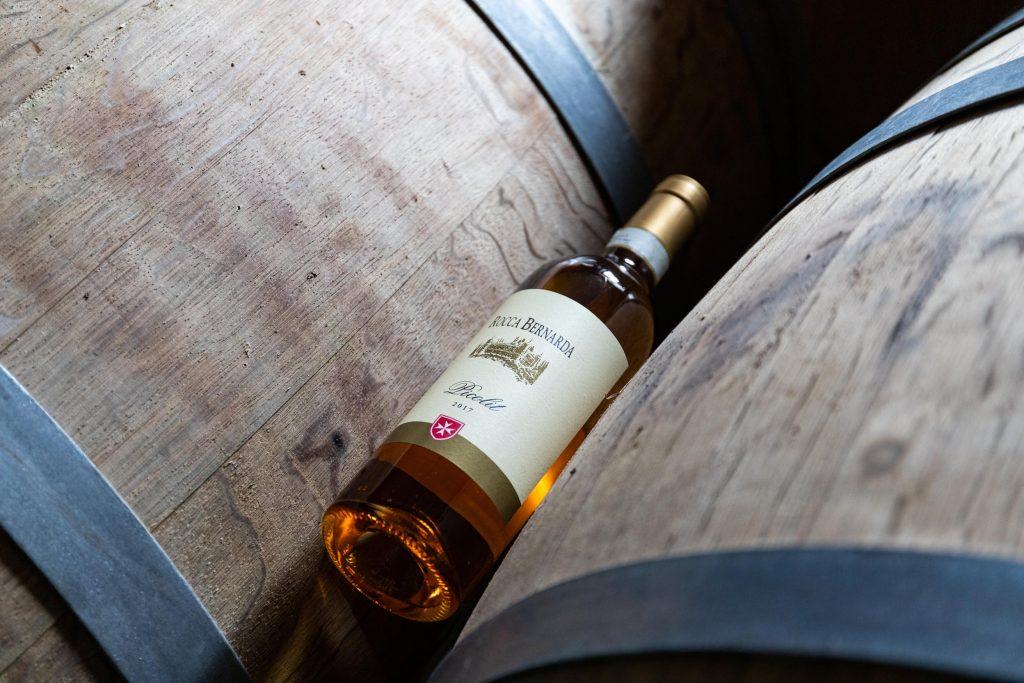
Fermentation takes place slowly, in small vessels. The wine is then aged for several months before bottling. The result is a deep golden wine, with a nose of acacia honey, ripe apricot, white flowers and dried fruit. On the palate it is sweet but never cloying, with an acidity that keeps it balanced and a long, mineral finish that brings you back to the terrain of the Colli Orientali.
Picolit in history
In the 18th century, Picolit was one of the most sought-after wines at European courts. Count Fabio Asquini of Fagagna was the first to market it internationally, exporting it to Vienna, Paris and London. At the time it was compared to the great sweet wines of France and Hungary. During the 19th and 20th centuries the variety came close to extinction, hit by phylloxera and the abandonment of the Friulian countryside. It was rescued after the Second World War by a handful of producers who had preserved the rootstock.
Today the Colli Orientali del Friuli Picolit DOCG denomination protects the production and defines its parameters. The regulations are among the strictest in Italy: limited yields, a circumscribed production zone, mandatory drying of the grapes. The number of bottles released each year across the entire denomination is small. This is not a commercial limitation — it is the direct consequence of the vine’s nature and the rules that protect it.
How to drink it
Picolit is best served at 10–12°C, in a medium-sized white wine glass. Excessive cold compresses the aromas: better to let it open for a few minutes in the glass. It pairs with aged cheeses — stravecchio Montasio is the quintessential Friulian match — with foie gras, with dry almond-based pastries, or on its own, at the end of a meal, as a meditation wine. It is not a wine to drink quickly. It asks for attention, and it rewards it.
Tasting Picolit where it’s born
Anyone who wants to understand Picolit in its context can book a tasting at Rocca Bernarda. The visit includes the cellar, the vineyards and a tasting of several of the estate’s wines, with Picolit as the closing point. Bookings are made through the Terre dei Cavalieri website. Picolit is also available on the online shop, for those who prefer to have it delivered.
It is not a wine you’ll find at the supermarket. It is not an everyday wine. It is a wine you seek out, discover and remember. And Rocca Bernarda, with nearly five centuries of production behind it, is the most direct place to encounter it.